A storm knocks out your power, leaving you in the dark with a fridge full of food and kids needing lights for homework. Or you’re deep in the woods on a camping trip, far from any outlet, but you still want to charge your phone or run a small fan. Portable power generators step in as your reliable backup, turning fuel into electricity you can use anywhere. These handy machines let you stay powered up during outages, tailgates, or remote jobs. At their core, they convert chemical energy from fuel into electrical power that keeps your life moving.
Core Components of a Portable Generator
Portable generators rely on a few key parts to make electricity from fuel sources. Each piece plays a vital role in the process. Let’s break them down so you see how they fit together.
The Internal Combustion Engine
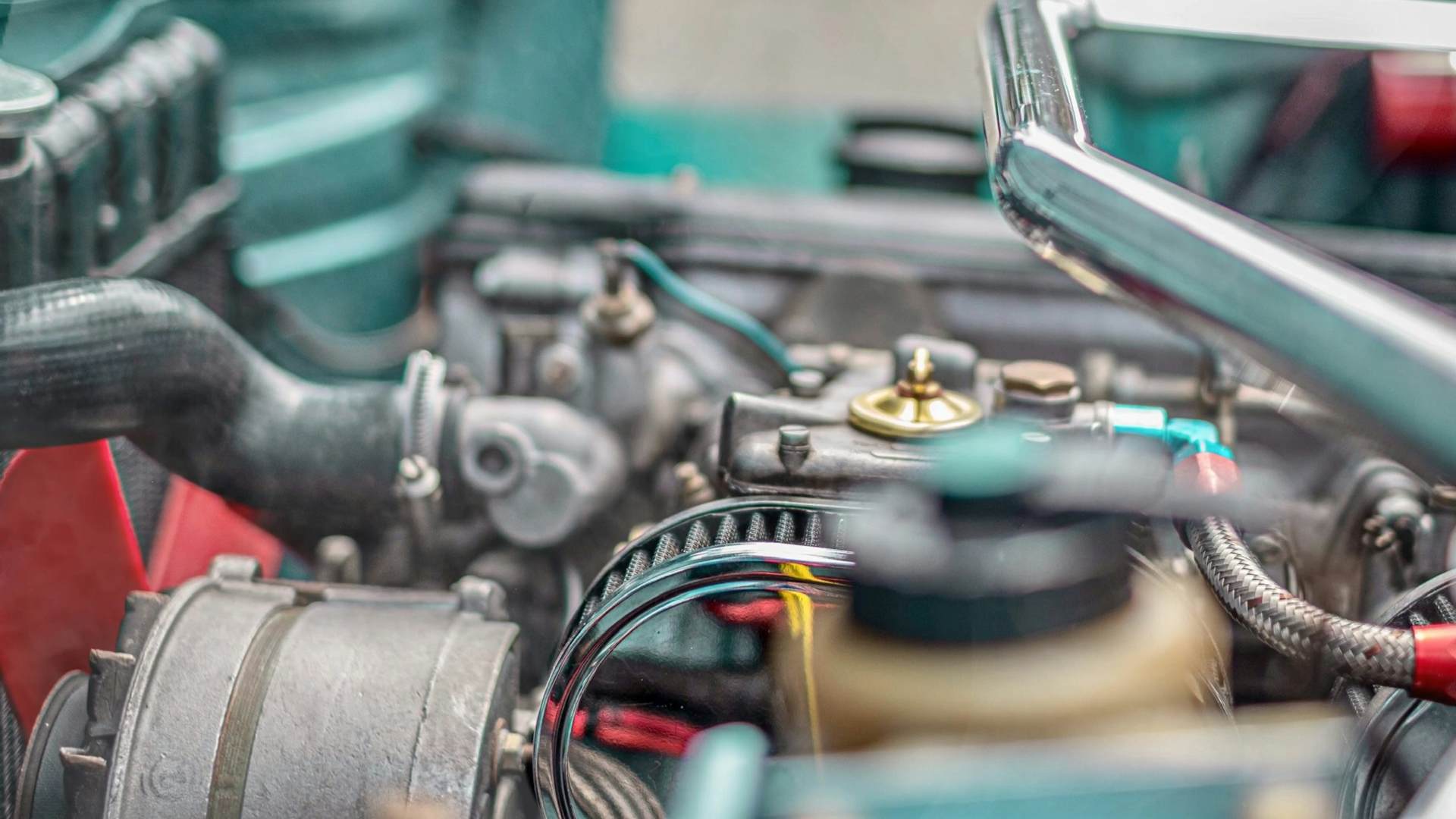
The engine is the powerhouse that starts it all. It burns fuel like gasoline, propane, or diesel to create motion. Most use a four-stroke cycle to do this efficiently.
First, during the intake stroke, the piston pulls in a mix of air and fuel. Then, compression squeezes that mix to heat it up. The power stroke ignites the mix with a spark, pushing the piston down for force. Finally, the exhaust stroke clears out waste gases. This cycle spins the crankshaft, turning chemical energy into mechanical work. Without this engine, your generator sits silent.
The Alternator (The Energy Converter)
Once the engine runs, it connects to the alternator. This part turns spinning motion into electric current. Think of it as a bike dynamo, but bigger and stronger.
The alternator has a rotor that spins inside a stator. The rotor creates a magnetic field as it turns. This field moves through coils in the stator, inducing an alternating current. That AC power flows out to your devices. The faster the engine spins, the more electricity you get. It’s a simple yet clever way to make power on the go.
The Fuel System and Exhaust
Fuel delivery keeps the engine fed and running smooth. A tank holds the gas or propane, and a carburetor mixes it with air just right. Without proper flow, the engine stalls or wastes fuel.
The exhaust system handles the dirty side. It routes hot gases out through a muffler to cut noise, and to ensure safe operation.
From Fuel to Electricity
Now that you know the parts, let’s trace the energy path. Fuel goes in, and usable electricity comes out. This step-by-step change powers everything from lights to tools.
Mechanical Energy Generation
It all begins with the engine’s four-stroke dance. The crankshaft turns as pistons move, creating steady rotation. This mechanical energy drives the whole system.
In modern setups, inverter technology smooths things out. This saves fuel and reduces wear. You get reliable motion without constant full throttle.
Producing Alternating Current (AC)
AC power is what most homes and gadgets use. It flows back and forth, like a wave, at a set frequency. In the US, that’s 60 cycles per second.
The alternator’s coils capture the engine’s spin to generate this. Unlike steady DC from batteries, AC travels far and powers big loads. Your generator mimics the grid’s output for easy plug-in use.
Voltage Regulation and Output Management
Stable voltage matters to avoid damaging gear. An Automatic Voltage Regulator (AVR) watches and adjusts the flow. It keeps output at safe levels, like 120 volts for standard plugs.
Outlets on the unit match common needs: 120V for lights, 240V for heavy tools. Surge protectors help too. This setup lets you run multiple items without overload.
Different Types of Portable Power Generation
Not all portable generators work the same. Choices depend on your needs, like quiet runs or high power. Here’s a look at the main types.
Conventional Generators (Open Frame)
These are the classic workhorses (like the DuroMax XP13000EH). They deliver lots of watts at a low price, perfect for job sites or big outages. An open frame exposes the engine for easy fixes.
But they hum loud, often over 70 decibels. Power can fluctuate, so they’re best for rugged tools, not laptops. Fuel use runs higher since the engine stays at full speed.
Inverter Generators (Closed Frame)
Inverter generators shine for clean, quiet power. They enclose everything in a case to muffle sound, down to 50 decibels or fewer. Ideal for camping or home electronics. For example, take a look at the DuroMax XP11000iH, which is a large dual fuel portable inverter generator.
The process differs: the engine makes DC first, then an inverter flips it to pure AC with low distortion under 3%. This protects sensitive devices like TVs. They sip fuel by idling when loads drop.
Dual Fuel and Battery Backup Systems
Dual fuel models (such as the Westinghouse WGen9500DF) switch between gas and propane. This gives flexibility if one fuel runs low. Propane stores longer without going bad.
Battery backup systems are the quietest choice (like the Anker SOLIX F3800). You get instant power without noise right away.
Operational Factors and Safety Considerations
Running a generator right keeps it lasting longer and you safer. Think about your power draw, upkeep, and dangers like fumes. These tips make a big difference.
Calculating Power Needs
Match your portable generator to your home’s needs to avoid trips or burns. Running watts cover steady use, like a refrigerator at 700 watts. Starting watts handle surges, like a motor jumping to 2,000 watts briefly.
Use this simple formula: Total running watts + the highest starting watt = minimum generator size. For example:
- Fridge: 700 running, 2,200 starting
- Lights: 200 running, no surge
- Microwave: 1,000 running, 1,500 starting
Add them up and pick a unit 20% bigger for safety. Check appliance labels or online charts for exact numbers. This prevents overloads and wasted cash.
Fuel Storage and Maintenance Cycles
Store fuel smartly to keep it fresh. Gasoline with ethanol lasts six months max; add stabilizer for longer. Propane or diesel holds up better, up to two years sealed.
Change oil every 50–100 hours, like a car service. Clean or replace the air filter often. Spark plugs need checks yearly.
Good habits extend life to thousands of hours. Skip them, and repairs pile up fast.
Carbon Monoxide (CO) Poisoning Prevention
CO from exhaust is silent and deadly. There are over 400 deaths yearly in the US from generator misuse. Never run one inside or near windows.
Place it 20 feet from your home, downwind. Use in open air only. Get a CO detector nearby. Follow maker guidelines for vents and shutoffs. These steps save lives every time.
Conclusion
You’ve seen how portable power generators work, from engine spin to outlet plugs. Fuel sparks motion, the alternator crafts current, and smart technology refines it all. Grasping this helps you pick the right one and use it well.
Key takeaways include the engine and alternator’s teamwork for basic power, the clean edge of inverters for delicate gear, and strict safety rules to dodge CO risks. These basics boost your off-grid game.
Ready to gear up? Assess your watts, choose wisely, and stay powered no matter what.
Photo by Evan Brorby on Unsplash.