In an age where power outages can disrupt daily life and impact essential services, having a reliable backup power source is more important than ever. Portable diesel generators is a rare option for homeowners seeking to ensure they remain powered during emergencies or unexpected blackouts. Known for their durability, efficiency, and long run times, these generators offer a dependable alternative for maintaining essential functions in the home. This article will explore the features, benefits, and considerations associated with portable diesel generators, helping you determine if this power solution is the right fit for your backup needs.
Benefits of Diesel Generators for Home Backup
A portable diesel generator is a compact, mobile power source that runs on diesel fuel. These generators are designed to provide backup power for homes, construction sites, or outdoor events. At the heart of every portable diesel generator is an internal combustion engine which creates power, which is then converted into electrical energy by an alternator. So, during a blackout, your generator is hard at work, turning that diesel into the electricity that keeps your lights on.
Reliability and Durability
Diesel generators are known for their tough-guy reputation. They are built to last and can handle rough conditions better than most of us after a long day. Their robust construction makes them ideal for long-term use.
Fuel Efficiency
If fuel efficiency were a competition, diesel generators would win the gold medal. They use less fuel than their gasoline counterparts, stretching every drop of diesel, making your wallet happy.
Long Run Time
Portable diesel generators have the impressive capability of running for a long time on a single tank of fuel. This means fewer trips to refuel and more power when the world outside gets chaotic.
Key Features to Look for in Portable Diesel Generators
Before diving into the world of portable diesel generators, it’s crucial to know which features you need.
Power Output and Capacity
Look for models that offer enough wattage to run your essentials, like refrigerators and lights. Check the generator’s capacity and ensure it aligns with your specific power requirements.
Portability and Design
When shopping for a portable diesel generator, consider its weight and design. Look for durable wheels and a handle, because let’s be honest, if it takes a team of oxen to move your generator, it may not be the best pick for home backup power.
Noise Levels
The relief of having backup power can be overshadowed by the sound of a freight train chugging away in your backyard. Some generators are louder than others, so check the decibel ratings. You’ll want something that fits your needs without waking up the entire neighborhood.
Start-Up Mechanisms
Getting your generator up and running should be as easy as clicking “play” on your favorite movie. Look for models with user-friendly start-up mechanisms, such as an electric starter button (although a recoil starter is good to have as a backup starting option). The last thing you want during an outage is to wrestle with a temperamental machine while your fridge sobs quietly.
Installation and Maintenance Tips
Start by choosing a well-ventilated outdoor location. Ensure the generator is level and stable to avoid those awkward tipping moments. Lastly, consider installing a transfer switch to connect your generator directly to your home’s electrical system. This isn’t just for ease; it’s also a safety measure that prevents back-feeding electricity, which is a big no-no.
Regular maintenance is key to keeping your diesel generator running smoothly. Change the oil and oil filter every 50–100 hours of use, check the air filter, and inspect fuel filters regularly. Don’t forget to run the generator monthly to keep it in prime condition. A quick check of the battery and connections is also prudent.
Got a generator that won’t start? Don’t panic; you’re not alone! First, check the fuel level: running low on that diesel juice can cause some serious mood swings. Next, inspect the battery. If it’s dead, it might be time for a recharge. If those two don’t fix the issue, consult the user manual or consult an expert.
Top Portable Diesel Generators on the Market
Now, this is where the biggest problem with diesel generators for home backup power is revealed. Portable diesel-powered generators are very difficult to find. In comparison, it is quite easy to find dozens of possible options when looking for portable generators powered by gasoline or propane. You are more likely to find a tri-fuel portable generator than a diesel-powered generator.
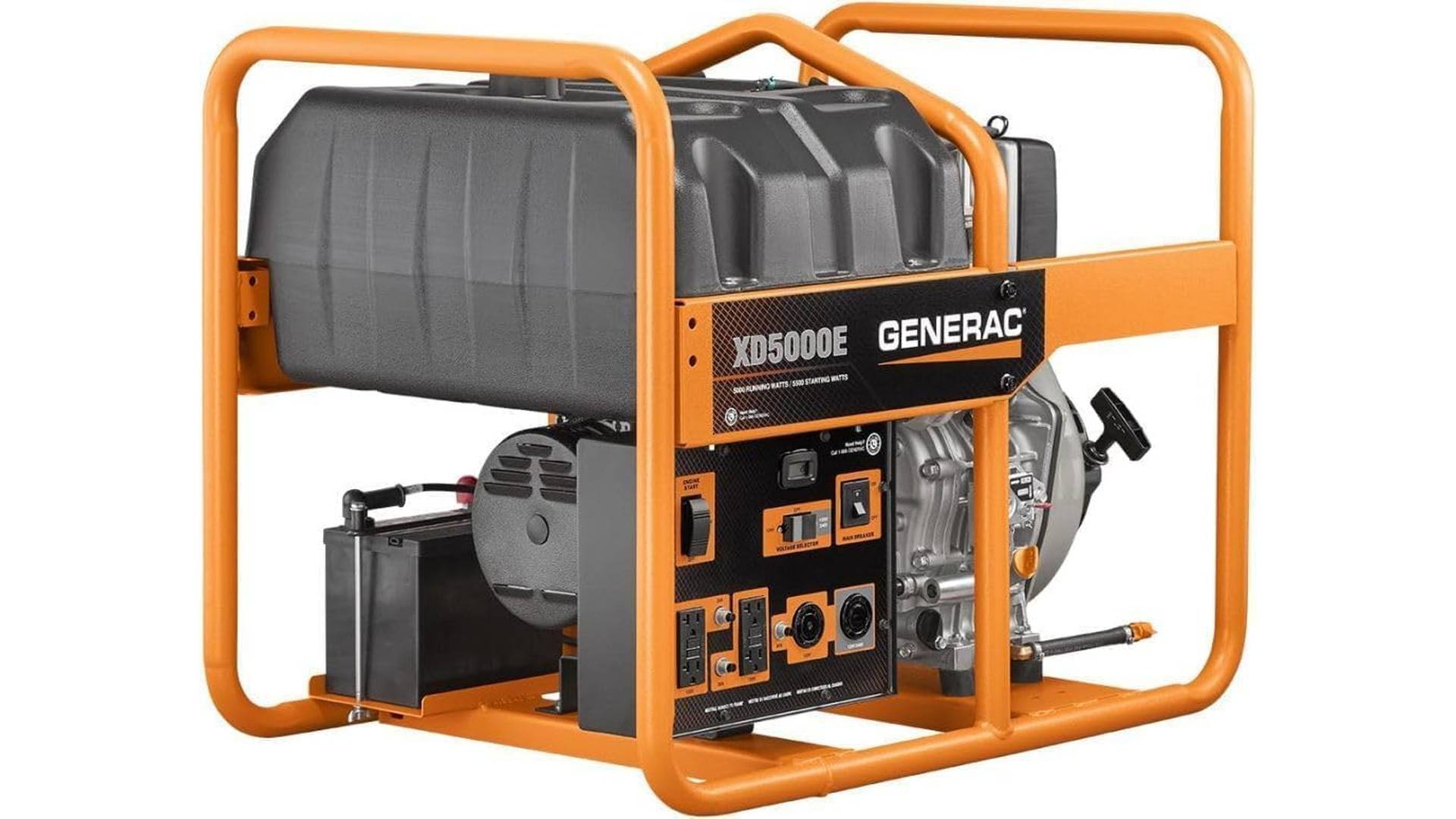
For example, I could only find one or two portable diesel generators on Amazon, such as the Generac 6864 XD5000E, which is a 5000-watt diesel-powered portable generator that should be usable for basic emergency home backup power. Click here to view it on Amazon (paid link).
Therefore, I think that the biggest reason why you do not see more diesel-powered portable generators chugging away in someone’s backyard during a power outage is that such models are almost impossible to find. For that reason, you might have to consider getting either a dual-fuel or a tri-fuel portable generator. That way, you could run the generator on either propane or natural gas, instead of just gasoline.
Otherwise, you will have to consider installing a stationary whole house backup generator which has a diesel engine, and is permanently connected to your household’s electrical system. Of course, that is not a portable option, and it also costs a lot more money to buy and install. But it runs on diesel, and it will power your house during a power blackout.
Comparing Diesel Generators to Other Fuel Options
Gasoline Generators
Gasoline generators are quick to fuel and easy to find. However, they come with some disadvantages. Gasoline can degrade over time, leading you to face a cranky generator after months of storage. Plus, their runtime is shorter than diesel generators, which means more frequent refueling if you’re in the middle of a blackout!
Propane Generators
Propane generators burn cleaner than gasoline and diesel, and the fuel doesn’t spoil. However, let’s not sugarcoat it: propane has a lower energy density, which means you might be left wanting more juice during long power outages. Still, if you’re all about storing an emergency fuel source for a long time, then propane is worth considering.
Solar Generators
Solar generators are quietest and most off-grid power solution available. However, they can struggle in cloudy weather (especially in winter, or during severe storms). Plus, if you’re running high-draw devices, you might find yourself drained faster than you can say “sustainable living”. But for light power needs and with enough batteries installed, they’re a new green-tech solution for keeping the lights on.
Safety Considerations for Home Use
Proper ventilation is essential to keep air flowing and toxic carbon monoxide fumes away from people and pets. That means placing your diesel generator outdoors, at least 20 feet away from your home and away from windows or doors. Think of it as giving your generator a personal space bubble.
Speaking of carbon monoxide, it’s a silent but deadly risk. Always have a carbon monoxide detector installed in your home, especially near sleeping areas.
When it comes to fuel storage, keep it safe and sound. Store diesel in approved containers and in a well-ventilated area, away from direct sunlight or sources of heat. Maintain an inventory of what you have on hand, and never mix fuels. Your generator (and your significant other) will thank you for staying organized.
Frequently Asked Questions
How long can a portable diesel generator run continuously?
Most portable diesel generators can run for more than 12 hours on a full tank, depending on the power load and the specific model.
Are portable diesel generators noisy?
While diesel generators tend to be quieter than gasoline models, they can still produce a noticeable noise level. It’s important to check the manufacturer’s specifications for decibel ratings to find a model that suits your needs.
Do I need a professional to install a portable diesel generator?
Installation of a portable diesel generator is generally straightforward and can often be done by the owner. However, for permanent installations or if you’re uncertain, consulting a professional is recommended.
Can I use a portable diesel generator indoors?
No, portable diesel generators should never be used indoors or in enclosed spaces due to the risk of carbon monoxide poisoning. Always ensure proper ventilation when operating the generator outdoors.
Conclusion: Weighing the Pros and Cons
Deciding on a portable diesel generator comes with its own set of pros and cons. On the plus side, diesel generators offer longer runtimes, better fuel efficiency, and high durability. On the flip side, they can be noisy, may require more maintenance, and let’s be honest, they aren’t a natural fit for a serene nature retreat or a quiet neighborhood.
In conclusion, portable diesel generators can provide a reliable and efficient solution for home backup power, especially in times of emergency. By understanding their key features, benefits, and safety considerations, you can make an informed decision about whether this type of generator meets your household needs. Unfortunately, you might have a tough time actually buying a diesel-powered portable generator that you could use for home backup power, seeing as these types of portable generators are very hard to find.