A big storm can leave you in the dark for days, spoiling food and cutting off communication. A portable generator steps in as your backup plan, delivering electricity when the grid fails. These devices come in two main types: traditional ones that produce raw power and inverter models that clean it up for safe use. You might need one for home emergencies, camping trips, or work sites. This guide shows you what portable generators can power, so you match the right size to your needs.
Generator Output: Watts, Amps, and Runtime
Portable generators output power in watts. This measures how much energy they supply to run your devices. Amps tell you the electrical current, but watts give the full picture of capacity.
Running Watts vs. Starting Watts
Running watts keep appliances going steady. For example, a refrigerator needs about 700 running watts once it’s on. Starting watts, or surge watts, kick in for the initial boost. Motors in things like air conditioners demand two to three times more to start: say, 2,200 surge watts for that same fridge. Get this wrong, and your generator overloads. Always check both ratings to avoid trips or shutdowns.
Calculating Your Total Power Needs
Start by listing what you want to power. Grab manuals or look at labels on appliances for their wattage. A typical microwave pulls 1,000 running watts, while lights use just 60 each. Add up running watts for everything at once. For surges, factor in the biggest starters one by one. Turn on high-draw items in sequence to stay under limits (this prevents overloads).
Here’s a simple step-by-step wattage audit:
- Make a list of must-have items, like fridge, lights, and phone chargers.
- Note running and starting watts for each.
- Total the running watts; add the highest surge separately.
- Pick a generator with 20% extra capacity for safety.
Fuel Type and Runtime
Gasoline powers most portable generators, but it burns quickly under full load. At 50% load, a 5,000-watt model might run 8 hours on a tank.
On the other hand, propane offers cleaner burns and longer storage (no spoilage like gasoline). Dual-fuel portable generators (and tri-fuel models) allow you to switch between them for flexibility. Full loads cut runtime in half, so match your fuel supplies to your power requirements. Keep extra fuel on hand, but store it safely.
Essential Home Backup Power
When the lights go out at home, a portable generator keeps basics running. You focus on safety first, then comfort. These portable units are good for targeted support, but not whole-house backup power loads.
Medical gear tops the list. A CPAP machine for sleep apnea uses around 50 watts running (easy for any generator). Sump pumps fight floods in basements. Many homes in rainy regions count on them during storms to avoid water damage. Run one at 800 watts without worry; pair it with lights for full safety.
Fridges and freezers save your groceries. A standard combination needs 700 running watts and 2,200 starting watts. On a 3,500-watt generator, it runs smooth for hours. A bigger 7,500-watt unit handles it plus a chest freezer. Keep doors shut to hold cold air inside for longer. This setup prevents waste during multi-day blackouts.
Stay connected with low-wattage essentials. LED bulbs sip just 10 watts each; five rooms need under 100 total. Charge phones via USB (most ports draw 10 to 20 watts). Laptops take 60 watts, and a modem-router combo uses 30 watts. A 2,000-watt inverter generator powers all this quietly. You keep news flowing and the family linked without draining fuel too fast.
Recreational and Mobile Power Applications
Portable generators go beyond the house. They fuel adventures and work on the move. Their compact size makes them perfect for life off-grid.
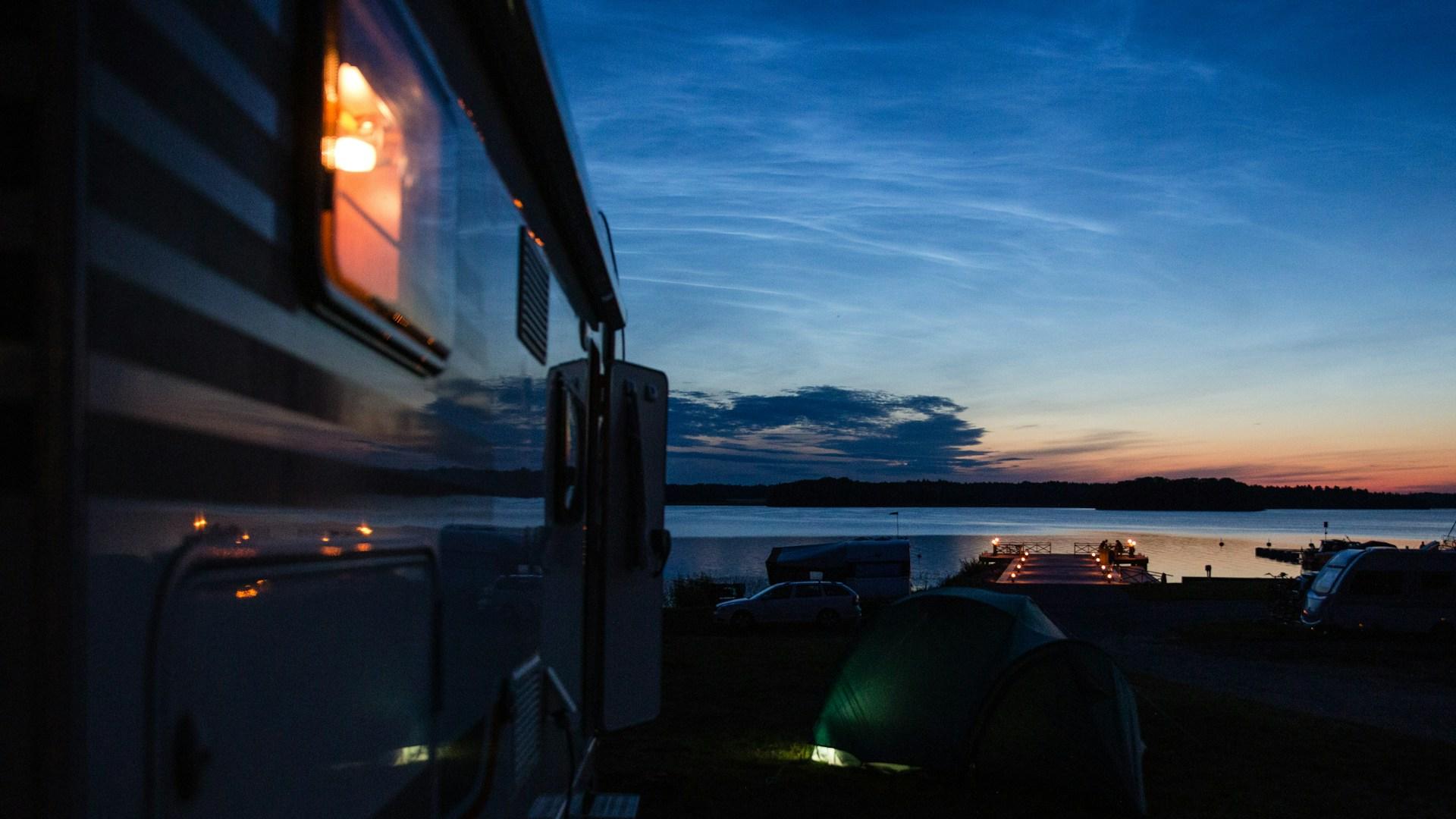
RVs demand steady juice for comfort. An AC unit surges to 3,000 watts but runs at 1,500. Add a microwave at 1,000 watts, and you need 5,000 running watts. Inverter generators protect RV electronics from power spikes. Run the whole setup for a weekend trip without grid hookups.
Contractors rely on portable generators for remote jobs. A circular saw pulls 1,400 running watts (run it solo on a 2,500-watt unit). Air compressors need 1,000 watts; lights for the site take 500 watts. Pair two tools at once with a 4,000-watt model. These generators beat cords from trucks, and wheels make them easy to shift around the yard or build site.
Gatherings need simple power boosts. A sound system draws 200 watts for music at the game. Slow cookers use 300; portable heaters hit 1,500 in cool weather. Electric grills pull 1,200 watts (perfect for a tailgate feast). A 3,000-watt generator covers it all without noise complaints. You can host events far from outlets with ease.
What Portable Generators Typically Cannot Power Effectively
Not every generator handles big jobs. Know the limits to avoid frustration. Stick to what fits their design.
Central AC units start with massive surges up to 15,000 watts. Most portables top out at 10,000, so they can’t manage it alone. Window units work better at 1,000 running watts. For whole HVAC, you need pro installs like transfer switches or paired generators. Skip this for portable generators; they’re not built for constant heavy cooling.
Electric vehicle charging varies by level. Level 1 uses a home outlet at 1,200 watts, which is very slow. A portable generator can supply it, but runtime suffers. Level 2 needs 6,000+ watts for faster rates; portables fall short without custom setups. During outages, they’re no match for real replenishment from the power grid.
Portables connect via extension cords for select outlets. A manual transfer switch links to household circuits safely, powering lights, appliances, and pumps. Never backfeed the main panel, because it risks lives and fines.
Matching Generator Size to Power Requirements
Size matters for efficiency. Pick based on your power load to save money and fuel. Follow these guidelines for the best fit.
Sizing for Minimal Home Backup
Go small for basics. A 3,000 to 5,000 running watt generator covers a fridge at 700 watts, lights at 200, and a well pump at 1,000. In a short outage, this keeps water flowing and food cold. Add a surge of 2,000 for starting surges. You might get by on one tank for a day.
Sizing for Comfort and Moderate Demands
Step up for more. Aim at 6,000 to 8,000 running watts to run a fridge, a 1,000-watt window AC, and electronics like a TV at 150 watts. Total power draw stays under limits with clever power management. This setup adds sleep and entertainment. Fuel lasts between 6 and 10 hours at half load.
Inverter Technology for Sensitive Electronics
Inverter generators output clean power. They mimic grid waves, safe for personal computers at 300 watts or security cameras at 50 watts. Traditional models might damage them with dirty output.
Even at 2,000 watts, a portable inverter generator beats a bigger noisy one. Use it for gadgets that hate power surges.
Conclusion: Making the Right Power Investment
Portable generators power essentials from fridges to RV air conditioners, but sizing starts with your power needs audit. Know running versus starting watts to avoid overloads. Pick fuel like propane for long runs or gasoline for quick starts. Test your setup by running it monthly and storing emergency fuel right.
With the right choice, you can stay powered through any outage. Grab one that fits your life, and power blackout worries will fade away into the background noise of a portable generator chugging away in your backyard.
Photo by Astrid Schaffner on Unsplash.