A heat wave hits, and your power goes out right when you need cool air the most. Or maybe you’re camping off-grid and want to run a small AC unit in your RV. Yes, a portable generator can power an air conditioner, but it depends on getting the size right and connecting it safely. This guide breaks down what you need to know about BTU needs, generator wattage, and tips to keep your setup running smooth without risks.
Air Conditioner Power Requirements
Air conditioners pull a lot of power, especially at startup. Let’s look at the key factors so you pick the right one.
BTU Ratings for Cooling Capacity
BTUs measure how much heat an air conditioner removes from a room. Think of it as the unit’s cooling strength. A higher BTU rating handles bigger spaces or hotter days better.
For example, a 5,000 BTU unit cools about 150 square feet. It keeps a small bedroom comfortable. Match the size wrong, and you’ll sweat or waste energy.
Here’s a quick rule: Aim for 20 BTUs per square foot. So, a 200-square-foot living room needs around 4,000 BTUs. Add 10% more if the room gets direct sun. This helps you avoid underpowered cooling.
Running Watts vs. Starting Watts
Running watts keep the AC going steady. Starting watts handle the big surge when the compressor kicks on. That initial pull can be two to three times higher.
A typical 5,000 BTU window AC uses about 500 running watts. But it surges to 1,500 watts at the start. A 12,000 BTU portable unit might need 1,200 running watts and 3,600 starting watts.
Ignore the surge, and your generator trips. Always check both numbers. This gap trips up most folks trying to run an AC on a generator.
Identifying Your AC Unit’s Power Needs
Look for the label on the side or back of your AC. It shows volts, amps, and sometimes watts. The manual has exact running and starting figures too.
Multiply amps by volts to get the watts if needed. For a 120V unit at 10 amps, that’s 1,200 watts running. Note the model number to see if you can find specifications online with a search engine. This ensures you base choices on real data, not guesses.
Selecting the Right Portable Generator Size
Now that you know your AC’s demands, match it to a portable power generator. Go too small, and nothing works. On the other hand, going too big wastes both cash and fuel.
Add up everything you plan to run. The AC might take the biggest chunk. Leave headroom so the portable generator doesn’t strain.
- List your appliances and their watts.
- Tally running and starting totals.
- Add 20% extra for peace of mind (this keeps things cool without overloads).
Experts say to run it at 80% max for safety. If your AC needs 1,500 starting watts, then pick one with at least 2,000 surge capacity (like a Honda EU2200i). That’s a 20-25% buffer.
Take a fridge at 800 running watts and lights at 200. Total with an air conditioner which hits 2,000 running watts. Surge wattage jumps to 4,000. Thus, grab a 5,000-watt portable generator to cover it all.
Inverter Generators vs. Conventional Generators for Air Conditioners
Inverter generators make clean power. They cut total harmonic distortion to under 3%. This prevents fried circuits inside your AC’s electronics.
Conventional ones can cause voltage spikes and drops. That harms modern AC controls. Stick to inverter generators for units under 15,000 BTUs.
Prices run higher for portable inverter generators, but they save fuel, and they’re quieter for backyard use. Clean power also means longer life for the air conditioning unit.
Fuel Types: Gasoline, Propane, and Dual-Fuel Options
Gasoline works fast but cannot be stored for long periods of time, unless you add some sort of fuel stabilizer. Nevertheless, it powers most generators well for shorter AC runs. Keep it fresh to avoid gumming up the carburetor.
Propane burns clean with less mess. It stores almost forever in tanks. But output drops 10% versus gas, so factor that in for air conditioner starting wattages.
Dual-fuel portable generators makes switching fuel sources easy: use gas for power, and propane for long hauls. Great for outages lasting multiple days when you need steady cooling from an air conditioning unit.
Make your pick based on your setup. Overall, propane is the best for clean, extended air conditioner operation.
Connection Methods and Electrical Safety
Hooking up wrong can spark fires or shock you. Always prioritize safe ways. Skip risky shortcuts.
Install a manual transfer switch for whole-home or big air conditioners. It links the portable generator to your panel safely. No back-feeding the grid that endangers line workers. Hire an electrician for the switch. It costs more money upfront, but prevents future accidents.
For small window units, you might use extension cords:
- Go heavy-duty, like 12-gauge for 50 feet.
- Plug directly into the generator outlet.
- Ground everything properly.
- Never plug into a wall outlet.
- Use outdoor-rated cords only.
- Check for damage before each use.
These steps keep power flowing safely, while keeping you cool.
Generator Outlets and Load Balancing
Most air conditioners run on 120V. Match your generator’s outlets to that. Skip 240V unless you have a big central unit. Spread loads across outlets. One side for AC, the other for lights. This balances the generator’s circuits. Overload one circuit, and breakers pop. Read your manual for outlet ratings. Even loads mean steady power for cooling.
Generator Placement and Ventilation Requirements
Place generators outside, at least 20 feet from windows and doors. Exhaust fumes carry carbon monoxide, which will be deadly indoors. Run it on a flat, dry spot. Cover if rain threatens, but vent well. Keep kids and pets away. Test CO detectors nearby. Fresh air saves lives.
Troubleshooting Common AC Power Issues with Generators
Problems pop up when sizes don’t match. Spot them quickly to fix the problem.
Generator Shuts Down Immediately Upon AC Startup
This screams low surge capacity. The air conditioner’s start pulls too much power. Your generator can’t handle it. Turn off other devices first. Try starting the air conditioner alone. If it works, add more loads slowly. Upgrade if needed. A bigger generator with a higher surge rating solves this problem.
AC Runs But Blows Warm Air or Cycles Frequently
Low running watts starve the compressor. It overheats and shuts off often. Check for extra loads dragging power. Measure voltage at the cord. Below 110V means overload. Balance better for steady cool air.
Compressor Humming But Not Starting
Humming points to low voltage. Undersized generator or too many devices cause it. Breaker might trip too. Inspect connections. Tighten loose plugs. Reset the generator breaker. If voltage dips under load, reduce the amount of appliances connected to the portable generator.
Maintenance Tips for Generator Reliability
Keep your generator ready. Summer heat demands peak performance. Skip checks, and it fails when you need it.
- Change oil before first use.
- Drain old fuel.
- Add stabilizer to gasoline for storage.
- Stale gas kills reliable starts.
- For electric starts, charge the battery.
- Check air filter: clean or replace.
- Inspect spark plug for wear.
- Run a full load test with the air conditioner.
Conclusion: Making the Right Choice for Off-Grid Comfort
Running an air conditioner on a portable generator works if you match starting watts to surge capacity. Get the BTUs right for your space, calculate those wattage needs, and connect it safely.
Follow these three steps: First, figure your AC’s BTUs and room size. Second, tally surge and running watts with a small buffer amount. Third, use transfer switches or proper extension cords.
Grab the right gear, and stay cool no matter what. Check local codes for installs, and test your setup before storms hit.
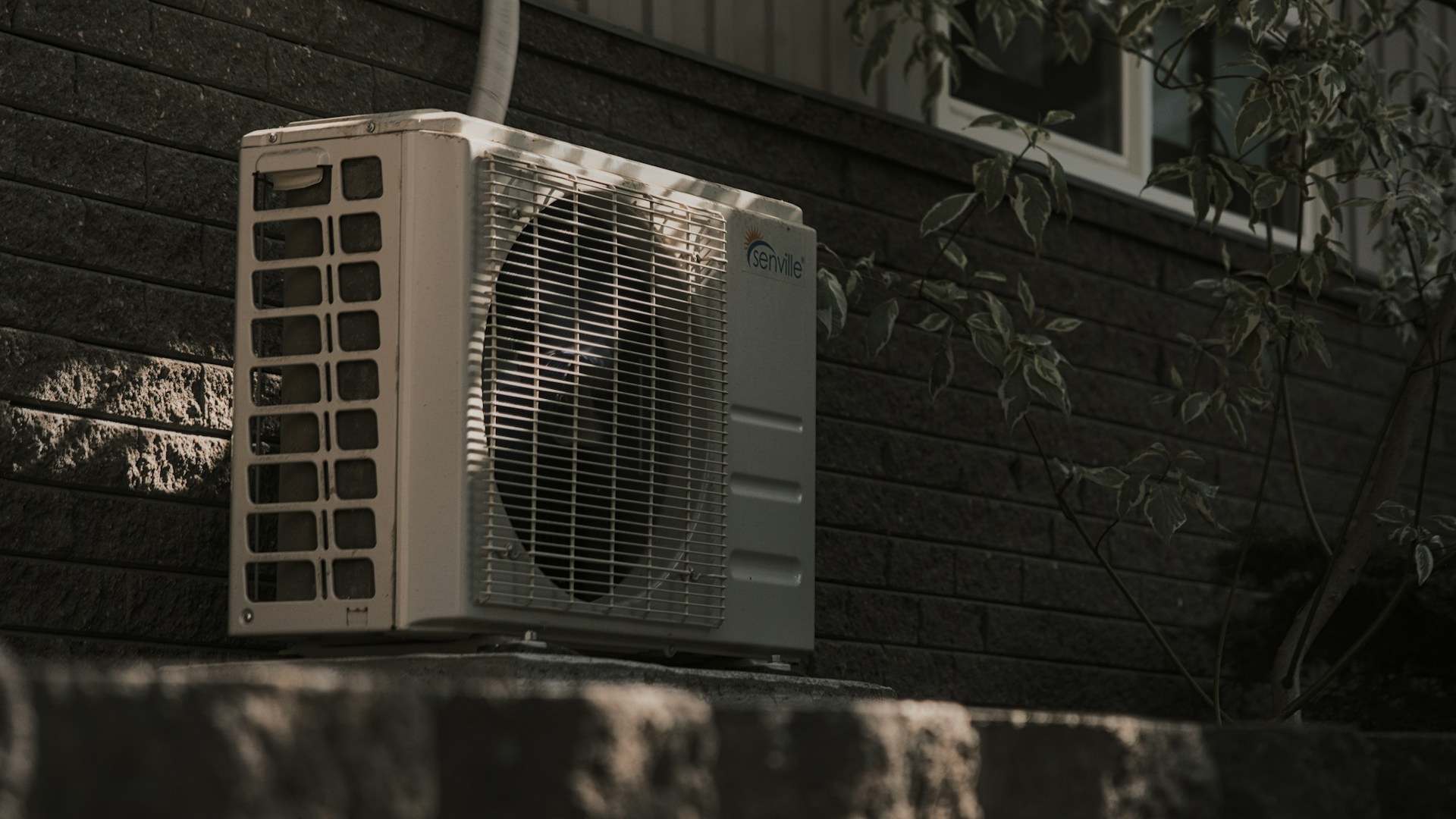
Photo by Everett Pachmann on Unsplash.