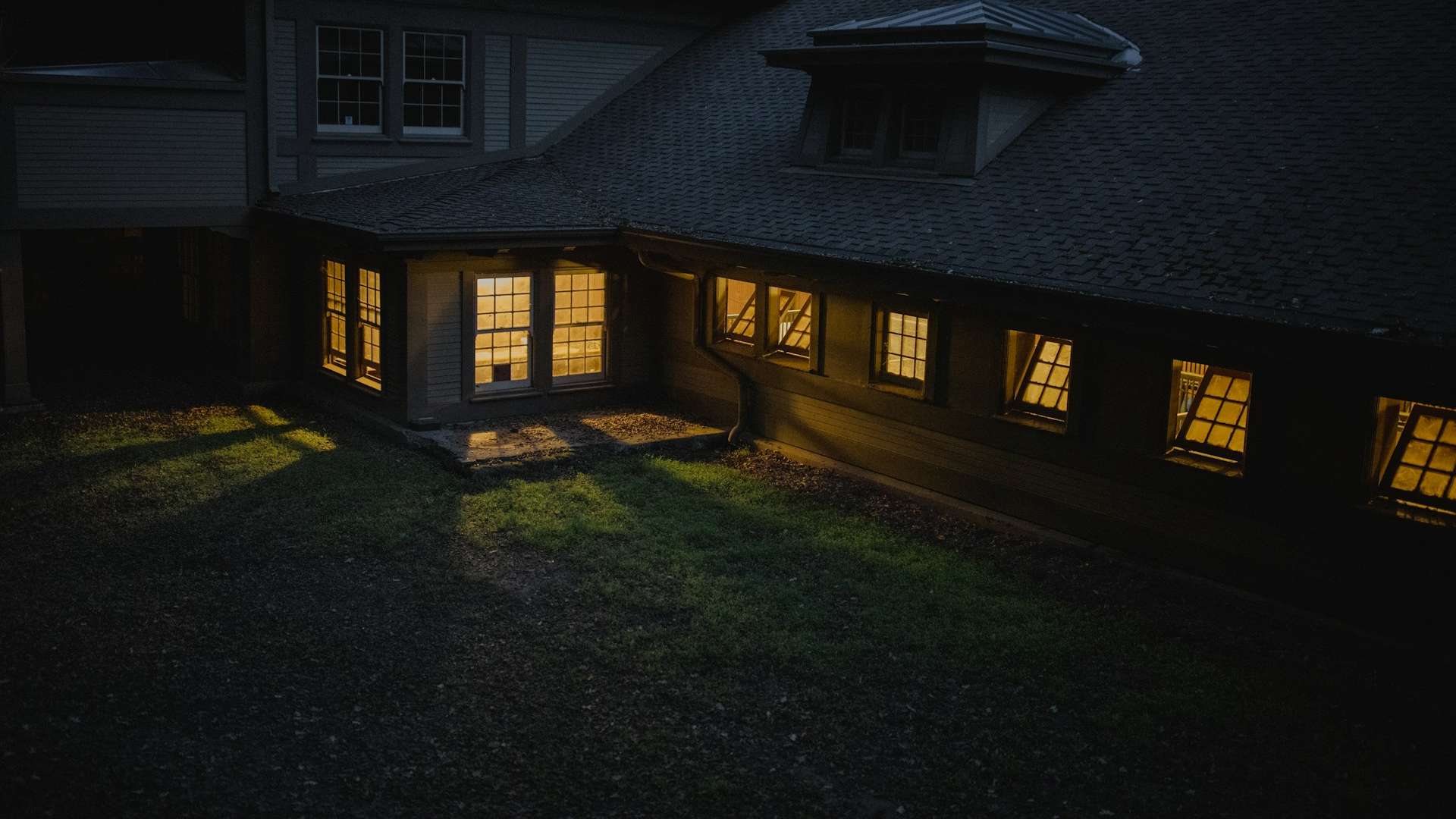
A massive storm hits your town at night. Lights flicker out. Your fridge stops humming, and the AC shuts down. At that moment, you realize how much you depend on steady power for daily life. Portable generators help with small needs, but they can’t handle an entire home. You need a stationary power generator that kicks in fast and powers everything from lights to the furnace.
Stationary generators, also called standby units, sit outside your house like a quiet sentinel. They connect directly to your electrical panel and start automatically during outages. This setup beats portable options for reliability and ease. In this guide, we’ll cover how to size the right one, pick fuel types, spot key features, and the top brands.
Whole-House Generator Sizing and Power Needs
If math feels tricky, call an electrician for a pro assessment. They use tools to measure your actual draw. This avoids buying too small a unit that leaves you in the dark.
Calculating Required Wattage
You start by figuring out how much power your home uses. Running watts keep appliances going steady, like a fridge at 700 watts. Starting watts handle the initial surge, such as 2,200 watts for that same refrigerator when it kicks on.
Make a simple checklist. List big items: your central AC might need 3,000-5,000 running watts and up to 15,000 for startup. Add well pumps at 1,000-2,000 watts or electric water heaters at 4,500 watts. Tally essentials first, then see if you can cover more.
Fuel Type Comparison
Propane tanks store fuel on-site, so outages don’t cut you off from supply. It’s clean-burning and lasts long in storage, but you need space for tanks and refills every few years.
Natural gas connects to your utility line for endless supply. No storage hassle, and it burns efficiently with low emissions. The downside? If the grid fails, so does your natural gas in some cases, though most homes keep pressure.
Diesel packs more energy per gallon, ideal for bigger homes over 20kW. It runs and stores well, but diesel engines can be heavy on the gas pedal. Fuel prices fluctuate, often higher than natural gas options.
Pick based on your setup. Homes near gas lines would naturally lean towards using natural gas. Rural spots often go with propane for independence.
Transfer Switches: Manual vs. Automatic
For whole-house coverage, automatic transfer switches rule. They detect a blackout in seconds and signal the generator to start. Power shifts over without you lifting a finger, usually in under 10 seconds.
Manual switches work for basics but require you to flip them yourself. That’s risky and slow for full-home needs. Stick with automatic transfer switches for safety and convenience.
Hire a licensed electrician for the installation. They handle permits and ensure codes are met, like grounding to prevent shocks. Always notify your utility company first to avoid surprises.
Voltage and Phase Compatibility
Most homes run on 240V single-phase power. This matches standard outlets and big appliances like dryers. Your generator must output this to avoid mismatches that trip breakers.
Three-phase setups suit workshops or farms with heavy machinery. For average houses, single-phase covers it all. Check your panel label to confirm.
Stick to 120/240V units for seamless whole-house integration. They power circuits evenly without custom wiring.
Noise Levels
Quiet operation matters in suburbs. Look for units under 70 decibels at 23 feet, about as loud as a vacuum cleaner. Louder ones can violate local noise rules and annoy neighbors. A good unit hums softly, letting you sleep through storms.
Enclosures with extra insulation cut sound waves. Steel cabinets add durability against bad weather, and they protect the engine too.
Cold Weather Operation and Batteries
Winter hits hard in cold areas. AGM batteries resist cold better than flooded types. They seal in electrolyte, so no spills or monthly checks. Flooded ones need water tops-ups but cost less upfront.
Plan for your climate. Northern homes swear by stationary standby generators for year-round reliability. Test starts in winter to stay prepared.
Top-Rated Stationary Generator Brands for Whole-Home Use
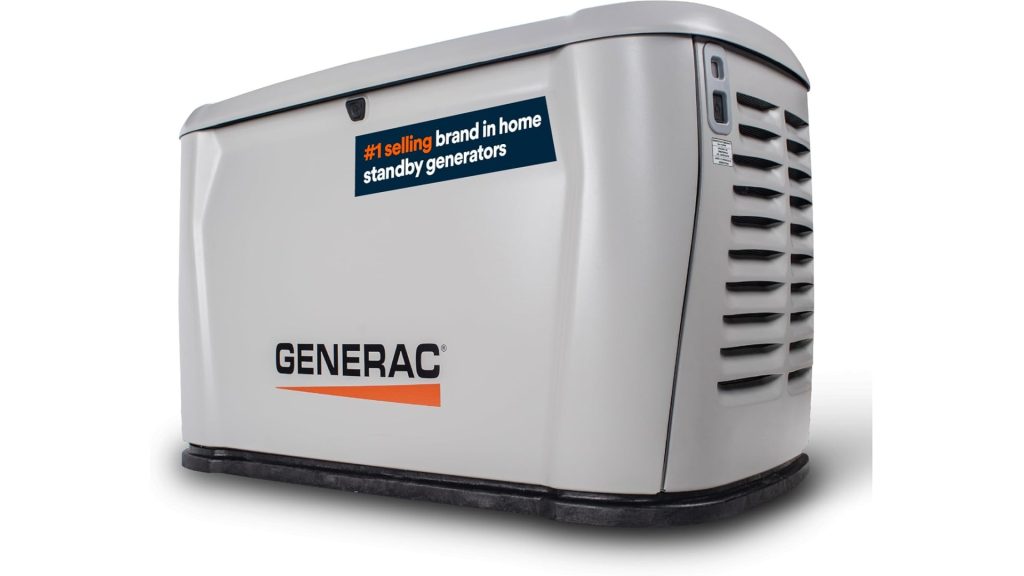
Generac leads with models from 8kW to 24kW. Their Guardian series fits homes up to 5,000 square feet, starting around $4,000. Wide dealer networks mean fast service anywhere.
Kohler offers 14kW to 20kW air-cooled units for powering a full 3,000-square-foot home quietly. They emphasize durable cast-aluminum parts for long life.
Both brands top sales lists for ease and support. However, Cummins also shines with Onan models up to 26kW for larger setups.
Overall, Generac is probably the top-rated stationary standby power generator brand out there. For example, consider this Generac 22kW home standby generator on Amazon (paid link).
Portable Inverter vs. Stationary Generators
Conventional generators use alternators for raw power. They work fine for lights and motors but can spike voltage, risking TVs or computers.
Inverter generators clean that raw power up. They produce steady sine waves, safe for laptops and medical gear.
Brands like Honda offer portable inverters generators, but for whole-house power, look at home standby generators from Generac.
Specifically, the difference shows in sensitive power loads. Inverter generators run cooler and more efficiently, saving fuel over long outages.
Warranty, Serviceability, and Parts Availability
Most units come with 5-year warranties on parts. Generac extends to 10 years with maintenance plans. Kohler matches with lifetime engine coverage options.
Local service trumps fancy specifications. Check dealer proximity; quick fixes beat delays.
Weigh total ownership. A $5,000 unit with great support outlasts a cheap one with no help.
Installation, Maintenance, and Operation
Don’t DIY this job. Certified electricians should handle the wiring to your panel. Gas fitters connect fuel lines safely.
Local codes set rules, like 5-foot clearance from windows. Get permits from your city hall. Budget up to $3,000 for installation on top of buying the unit. It pays off in safe, code-compliant setup.
Essential Routine Maintenance Schedule
Change oil every 100 to 200 hours or yearly. Use manufacturer-specified oil to keep the engine running smoothly.
Replace air filters seasonally if dusty. Fuel filters go every two years for clean fuel flow. Inspect spark plugs annually.
Run a full load test once a year. This spots issues early and keeps the warranty valid.
Exercise Cycles and Monitoring
Generators self-test weekly. They run unloaded for 10 to 15 minutes to circulate oil and charge batteries. This prevents rust and ensures startup. Set it for off-peak hours to save on utility peaks if connected.
Apps from Generac or Kohler let you monitor the unit via phone. See runtime, fuel levels, and alerts remotely. It gives you peace of mind when you’re away.
Conclusion: Investing in Power Security
Picking the best stationary power generator for your whole house boils down to smart sizing, the right fuel, and a professional setup. Match watts to your loads, choose diesel, propane, or natural gas for your location, and focus on quiet, reliable features.
Get quotes, but look at long-term costs, not just the sticker price. Brands like Generac and Kohler deliver proven options from 10kW up, such as this Generac 22kW home standby generator (check price on Amazon – paid link).
Photo by Jason Leung on Unsplash.