
Storms, heat waves, and aging grids leave homes in the dark more often these days. You need reliable backup to keep the lights on, food fresh, and devices charged. Portable power generators fill that gap. They go beyond old gas beasts that roar and guzzle fuel. These modern units deliver quiet, clean energy right where you need it.
This guide cuts to the chase on top portable power generators for home use. We focus on inverter technology and battery options that match your setup. Whether you face short blackouts or long ones, you’ll find picks for essentials like fridges and medical gear.
Portable Generator Technology: Fuel vs. Battery Storage
Portable generators come in two main flavors: fuel-powered and battery-based. Fuel models burn gas or propane for steady output. Battery stations store energy like a giant power bank, often with solar recharge. Each suits home needs based on outage length and what you want to run.
Inverter Generators vs. Conventional Generators
Inverter generators produce smooth, pure sine wave power. This clean electricity protects your TVs, computers, and fridge compressors from damage. Conventional ones spit out rough power that can fry sensitive stuff.
Inverter generators are great for home use. They adjust engine speed to match the power load, saving fuel and cutting noise. You get better run times without the issue of spikes. Therefore, pick an inverter generator if your home has gadgets that hate dirty power.
Fuel Source Options
Gasoline packs a punch for quick starts and high watts. It stores easy, but goes bad in months. Keep it fresh with stabilizers, or you’ll face engine clogs.
Propane lasts forever if sealed right. It’s cleaner burning, so less mess in your garage. Dual-fuel units switch between gas and propane. This gives flexibility during shortages.
For home backup, propane wins for safety. It cuts fire risks and exhaust fumes. Follow local codes on tank sizes: most homes stick to 20-pound cylinders.
Battery Capacity And Watt-Hours
Watt-hours measure total stored energy. A 1000Wh unit runs a 100W fan for 10 hours. Match it to your load for real run times.
Think about your basics. A fridge might pull 800 watts running but surges to 1600 watts at startup. For a CPAP machine at 50W, that same 1000Wh lasts 20 hours. Calculate your wattages: list appliances, add running watts, then factor in surge watts.
Best Portable Power Generators for Home Needs
We picked these based on output, reviews, and needs. All handle different types of scenarios without breaking the bank.
Best Overall Portable Power Station for Home Use
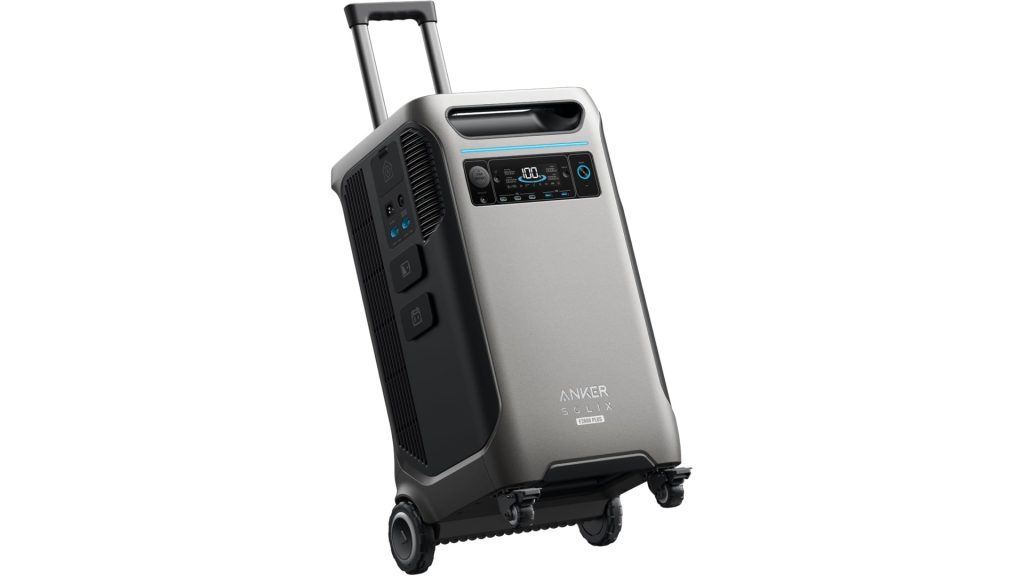
The Anker SOLIX F3800 Plus is a tough portable power station with 3,840 watt-hours of clean energy. It uses safe LFP batteries that last over 10 years. Keep your fridge running or tools humming during blackouts.
Add up to 12 extra battery packs for weeks of power. Plug it into EVs or RVs with special ports. It pumps out 6,000 watts for home stuff like washers or heaters (double that with two units).
Recharge it fast with solar panels up to 3,200 watts or with a portable generator. Check levels and set rules through a phone app.
It’s heavy at 135 pounds, but it’s got wheels. Owners love the easy setup and reliable backup for home emergencies. Great pick if you need portable battery power that handles daily needs and storms (check its price on Amazon – paid link).
Best Portable Generator for Extended Outages

The Westinghouse WGen9500DF is a handy dual-fuel portable generator that runs on gas or propane. On gas, it gives 9,500 running watts and 12,500 peak watts. Propane drops it a bit to 8,500 running and 11,200 peak. Its 457cc engine starts easy with a push button, remote key fob, or pull cord. It has a built-in battery and charger, plus 30A and 50A outlets for home use.
Weighing over 200 pounds, it’s bulky but rolls easily on wheels. Handles help move it, though they’re not super strong. It is kind of big and loud, so keep it away from your windows and doors.
The Westinghouse WGen9500DF powers key home appliances during outages. It comes ready with tools, oil, funnel, and a manual. I recommend it for solid backup power (buy it now on Amazon – paid link).
Best Portable Inverter Generator for Small Setups
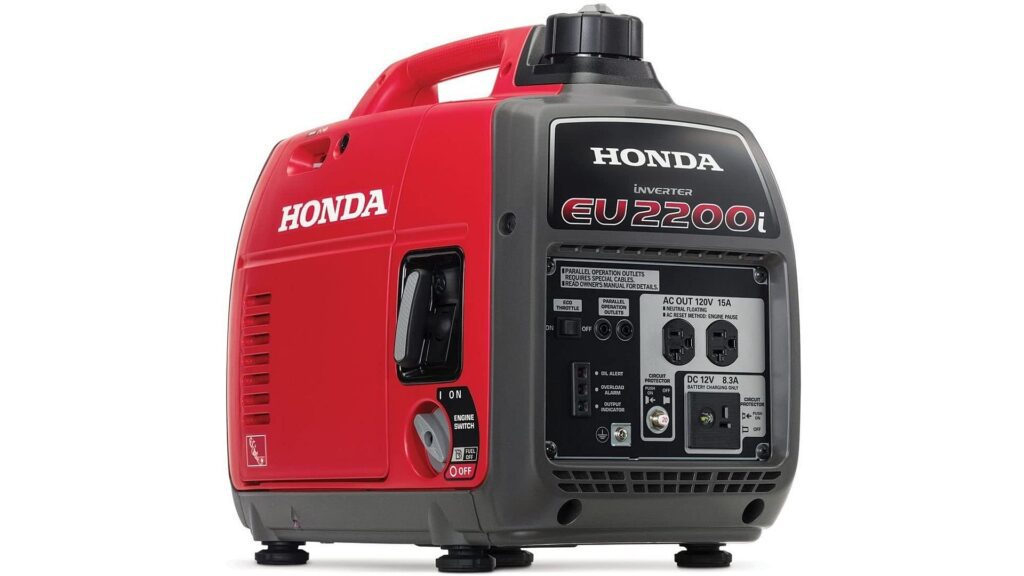
The Honda EU2200i improves on the older EU2000i with smart tweaks. It packs a 121cc Honda GXR120 engine that’s CARB-approved. You get 2200 starting watts and 1800 running watts: 10% more power for things like microwaves, fridges, or coffee pots. The fuel switch now lets the engine run dry before shutting off. This keeps leftover gas from clogging the carburetor during storage.
Oil changes got easier too. A new filler neck has a drain gutter and bigger opening. No more messy spills. Plus, a low-oil sensor stops the engine and lights up to warn you.
The Honda EU2200i is still one of the best portable inverter generators on the market (shop now on Amazon – paid link), even though there are now many other options available that costs a lot less, such as the WEN DF360iX dual-fuel model.
Most Portable Solution for Small Devices
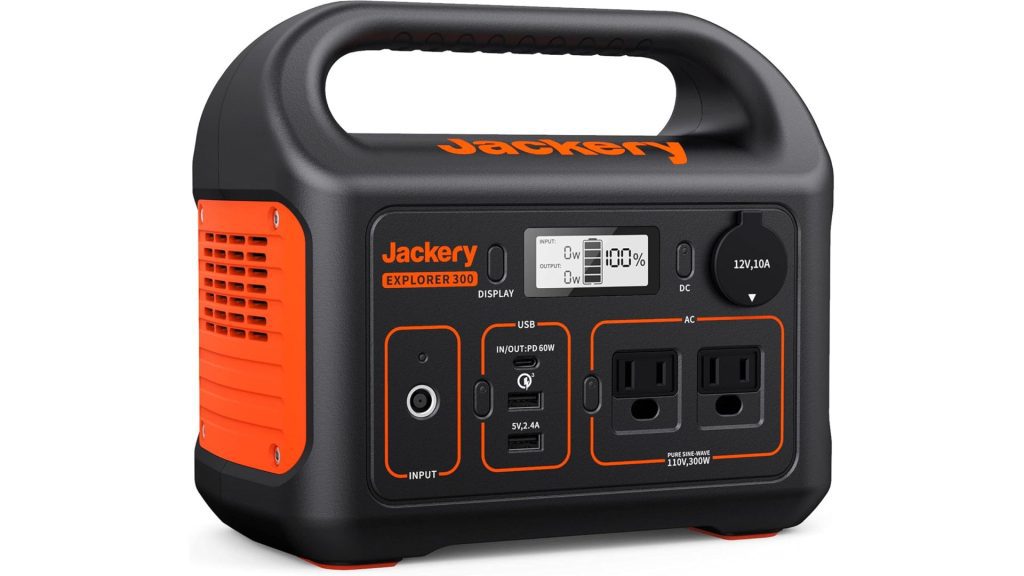
The Jackery Explorer 300 is a light, tough portable power station. It powers phones, drones, cameras, and more on camping trips or off-grid spots.
Its 293Wh battery delivers steady 300W from two AC outlets. Recharge it quick: wall plug in just over three hours, car outlet in under four, or solar panel in about five hours of good sun. Ports cover AC, car plug, USB-A, and USB-C for most gadgets.
Campers love the Jackery Explorer 300 for fun trips. It’s a solid backup for emergencies too. Grab one for reliable power anywhere. Get yours today on Amazon (paid link).
Key Specifications for Home Backup Power
Specifications matter more than hype. Focus on watts, ports, and noise to avoid buyer’s regret.
Calculating Starting Watts vs. Running Watts
Starting watts cover the surge when motors kick in, like your fridge humming to life at 1200W. Running watts are the steady draw, say 600W for that same fridge.
Add them up for your list: Fridge (1200 start/600 run), lights (0 start/200 run), total around 1200 start/800 run. Oversize by 20% for safety.
Try this: jot down the wattage numbers of all the appliances on paper. Check the labels for watts. Pick a unit that provides 1.2 times your maximum starting needs.
Connections and Output Ports
You need multiple 120V AC outlets for plugs. Aim for four or more to run a refrigerator, lamp, and charger all at once. USB-A and USB-C ports keep phones topped up. DC ports suit 12V fans or lights.
For whole-home backup power, look for transfer switch ready portable generators that are ready to plug into your panel safely. Skip extension cords for long-term outages. Installing a transfer switch is the safest long-term solution for you and the people who work on the power lines.
Noise Output and Environmental Factors
Noise bugs everyone in outages. 50 dB is a soft rain; 70 dB feels like traffic. Most inverter generators hit 50 to 60 decibels, so you can sleep through nights without a generator engine keeping you awake (except maybe for refueling it).
Place generators at least 20 feet away from windows. Wind carries sound, so check local rules. Quiet models let families stay calm. No yelling over the roar. Rain covers or generator enclosures protect the generator from bad weather.
Fuel, Cords, and Maintenance
The right setup right keeps you safe. Wrong moves lead to fires or shocks.
Safe Fuel Management and Storage
Store gas in approved cans, away from heat. Use stabilizers like STA-BIL to make gasoline fuel last a longer time in storage. Propane tanks should sit outside, with the valves shut.
Carbon monoxide kills quietly, so run generators outside only, 25 feet from doors. Get a carbon monoxide detector inside the house to warn you of any danger.
Extension Cords vs. Manual Transfer Switches
Cords could work if you use heavy-duty cables, under 50 feet long. But for multiple appliances, a transfer switch beats it. This box lets you flip breakers to switch between utility and generator power. No overload risk. Electricians can install it in hours, eliminating the danger of backfeeding power panels.
Maintenance Tips for Reliability
For fuel units, change oil every 50 hours or so. Run it monthly with fuel stabilizer. Clean air filters to avoid stalls.
Batteries need cycle checks: charge to 100% quarterly. Avoid deep drains below 20%. Dust off the solar panels for maximum input.
Test a full power load yearly. This catches issues early on.
Conclusion: Get the Right Portable Power Solution
Clean inverter technology rules home backups now. It powers your world without the harmonic distortion risks of old generators. Battery stations add silent ease for daily needs.
Match the portable generator size to your essential power, instead of just choosing the highest power portable generator you can find. This saves cash and stress.
Think about your area’s storms and must-haves, and pick your portable generator today. Your family will thank you the next time there is a blackout.