When power outages hit, or you head out for a weekend camp, a reliable portable generator can save the day. All-Power generators catch your eye with their low prices, but you might wonder if that means skimping on quality. This review looks at their strengths and weak spots to help you decide if they’re a good pick for your needs.
All-Power: Brand Overview and Market Positioning
All-Power sits in the budget corner of the portable generator market. They aim at folks who want basic power without breaking the bank. You can find their units at big-box stores like Home Depot or online spots like Amazon, making them easy to grab.
All-Power started as a smaller player in the power tools world back in the early 2000s. The brand focuses on affordable outdoor gear and generators for everyday users. Most units come from factories in China, where costs stay low, but quality checks vary by batch. This setup lets them keep prices down, though it sometimes raises questions about long-term build standards.
Their lineup covers a wide range, from tiny 1,000-watt inverters for light camping to beefy 7,000-watt open-frame models for job sites. You get options like gasoline-only for simple runs or dual-fuel setups that switch between gas and propane for more flexibility. Inverter models shine for clean power on the go, while bigger ones pack enough punch for home backups during storms.
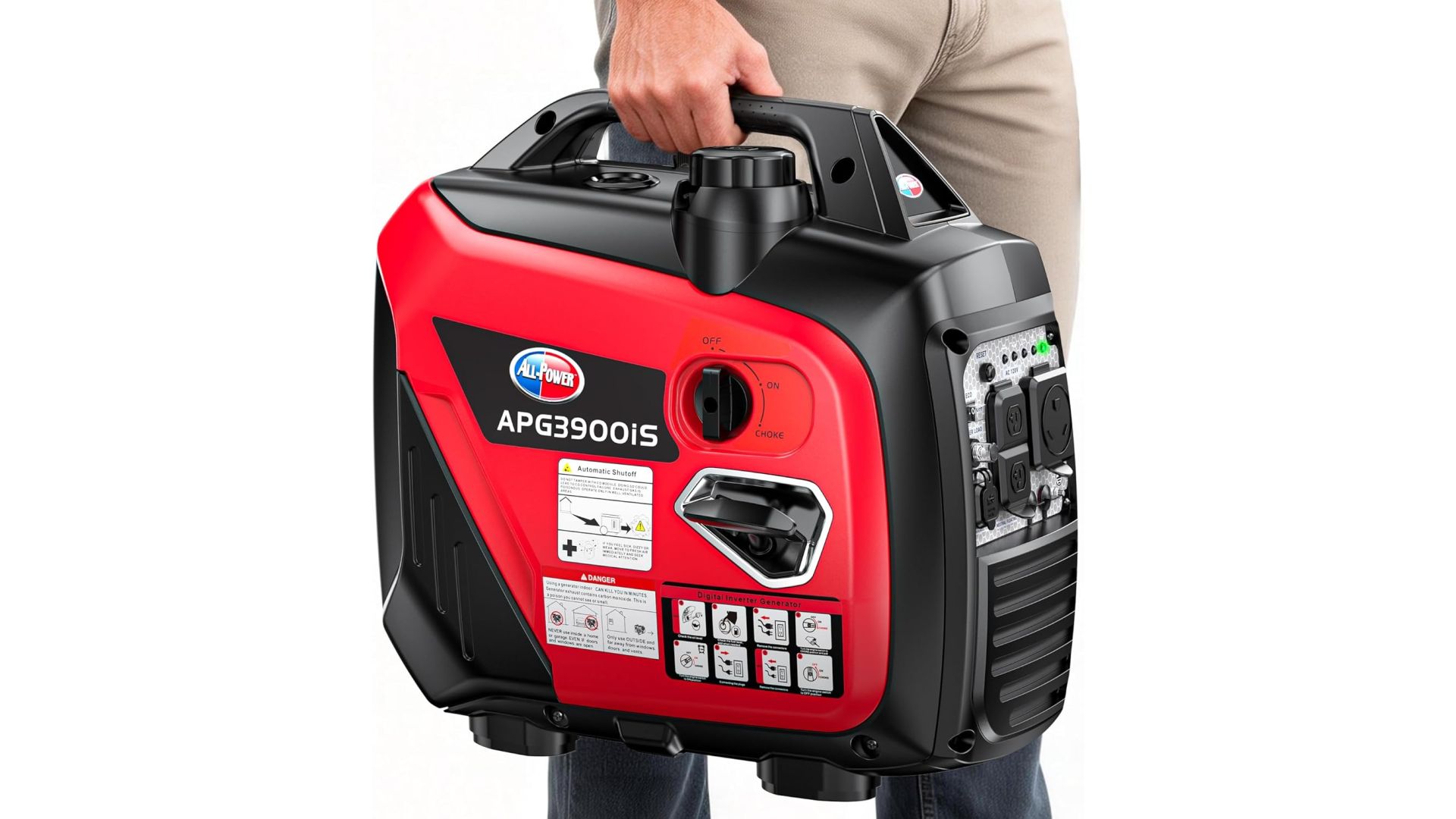
For example, the All-Power APG3900IS is a 3000-watt gasoline powered portable inverter generator that should be good enough for outdoor camping and very basic emergency power needs. Its inverter system provides both stable power and quiet operation, which might work for powering various smaller devices when camping. Of course, 3000 watts are not enough for home backup power, unless you are only planning to run one or two appliances, and manage your power consumption very carefully. Click here to read more on Amazon (paid link).
How All-Power Stacks Up Against Competitors
To see if All-Power portable generators hold up, we check key numbers like power delivery and fuel use. These factors matter most when you need steady power without constant refills.
Wattage Claims vs. Sustained Output
Advertising boast peak starting watts, but running watts tell the true story for ongoing use. An All-Power 2,000-watt model might hit 1,600 running watts under half load, close to claims but dipping in hot weather. Always base your buy on running watts. Think about your refrigerator or lights pulling steady power, not just a quick startup surge.
Fuel Efficiency and Runtime
At 50% load, a mid-size All-Power unit sips about 0.3 gallons of gas per hour, giving you around 8–10 hours on a full five-gallon tank. That’s solid for the price, matching entry-level rivals but trailing Honda’s top efficiency by 20%. If you run tools all day, their dual-fuel options stretch runtime further with propane, cutting refill trips.
Noise Levels and Inverter Technology
Noise matters, especially if you’re camping or in a quiet neighborhood. All-Power inverters clock in at 58–65 decibels, like a normal chat, while open-frame models hit 70–80 dB (louder than a vacuum cleaner). Their inverter technology keeps total harmonic distortion under 5%, safe for laptops and TVs, though not as pure as premium brands for high-end gear.
Build Quality and Durability
You want a generator that lasts through rough handling, not one that rusts after a few rains. All-Power keeps things simple with functional designs, but materials show their budget roots. Still, smart features make daily use smoother than you might expect.
Frame Construction and Longevity
The steel frames use 14-gauge metal, sturdy enough for light bumps but prone to dents on rough terrain. Engines feature cast iron sleeves for better wear, and copper windings in the alternator beat cheaper aluminum for heat resistance. Vibration pads help, yet after 200 hours, some users note loosening bolts if you skip checks.
User Interface and Outlet Configuration
Starting feels easy with recoil start cords on small units or electric push-buttons on larger ones. Panels pack four to six outlets, including two GFCI-protected 120V spots for safe tool runs. Hour meters track use for oil changes, and low-oil shutoffs prevent damage, though fuel gauges are hit-or-miss on basic models.
Portability and Design Ergonomics
Small inverters generators weigh under 50 pounds with top handles for easy carry, like lugging a heavy cooler. Bigger models add fold-down handles and never-flat wheels as options, balancing weight around 150 pounds without tipping. The compact footprint fits in truck beds, but watch for sharp edges on frames during moves.
Reliability and Long-Term Ownership
Owners share stories on forums like Reddit and Garage Journal, painting a mixed picture of All-Power reliability. Much praise for the first-year performance, but longevity depends on care.
Common Failure Points Reported by Owners
Carburetors clog often from old gas, stalling engines after storage: a quick clean fixes it, but it is an annoying event. Recoil starters snap on 20% of reports after 100 hours, especially if yanked hard. One user on Amazon described their 3,500-watt model quitting mid-storm due to a faulty AVR board, a part that’s cheap but hard to swap without tools.
Maintenance Requirements
Change oil every 50 hours and clean the air filter monthly for best results. Spark plugs are cheap to replace at auto stores, and carb kits ship fast from eBay sellers. Use ethanol-free gas to avoid gunk, and these units might hit 500 hours before major work is required.
Performance in Extreme Conditions
In 90-degree heat, output drops 10-15% without good airflow, so vent well. Cold starts work down to 0°F with fresh fuel, but battery tenders help electric models. Users in Texas summers report steady runs, while Midwest winters see fewer complaints than flimsier brands.
Are All-Power Generators Worth the Investment?
At the end of the day, All-Power portable generators are good for cost savings if your power needs are very basic. They won’t match pro-grade durability, but for occasional use, the deal feels right. Weigh your budget against how often you’ll fire it up.
All-Power is a cheap buy for camping trips where you charge phones and run a fan, or as emergency lights during blackouts. They’re great for weekend warriors on job sites with basic tools, not heavy welders. Avoid for daily farm work: opt for pricier brands there.
Here’s a quick guide to decide:
- Infrequent use (under 50 hours/year)? Go All-Power.
- Sensitive electronics daily? Pick Honda (such as the Honda EU2200i).
- Budget-friendly choice? All-Power fits.
- Need quiet power under 60 dB? Buy a portable inverter generator (such as the Westinghouse iGen2200).
Used All-Power models pop up for next to nothing on Craigslist, but check hours and overall condition. Older ones from pre-2020 might have weaker seals, leading to leaks. Inspect for rust and buy from sellers with return options: risky, but a steal if it runs clean.
Final Verdict on All-Power Portable Generator Quality
All-Power portable generators deliver solid basics at a fraction of the cost, making them a good entry point for casual users. They hold up in power output and ease of use, but fall short on quiet operation and robust support versus top brands. And yet, if you’re after value without frills, they might just get the job done.